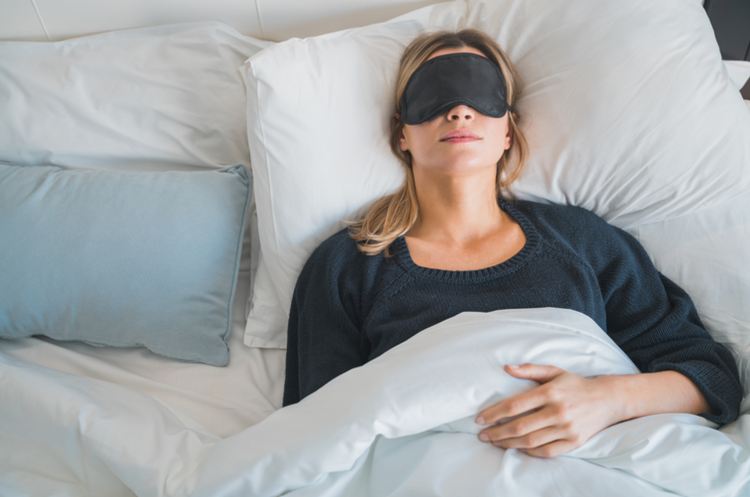
Sleep training isn’t just for babies. Adults need it just as much—if not more. Between 24/7 work culture, screen time overload, and high stress, many adults have no consistent bedtime, no wind-down routine, and no real sleep strategy. The result? Poor sleep hygiene and all the consequences that come with it.
You don’t grow out of needing structure around sleep. You just stop prioritizing it. Re-learning how to prepare your body and brain for quality rest can transform your energy, mood, and long-term health. Here's what sleep training for adults actually looks like—and why it's worth doing.
Why Sleep Still Matters (A Lot)
Sleep is a biological necessity, not a wellness bonus. According to the CDC, more than one-third of U.S. adults regularly get less than the recommended 7–9 hours per night. The cost of this sleep debt is high.
Chronic sleep deprivation has been linked to:
-
Increased risk of heart disease, stroke, obesity, and type 2 diabetes
-
Impaired immune function and slower recovery from illness
-
Cognitive decline and memory problems
-
Heightened risk of anxiety and depression
In fact, a 2021 study found that adults who consistently slept less than six hours per night had a 20% higher risk of developing dementia over time.
What Happens During Sleep
Sleep isn't passive. It’s an active process where your brain and body carry out essential maintenance. Your sleep cycles alternate between non-REM and REM sleep throughout the night.
Non-REM sleep:
-
Stage 1: Light sleep, easy to wake up
-
Stage 2: Brain activity slows, body temperature drops
-
Stage 3: Deep sleep (also called slow-wave sleep) where physical recovery happens
REM sleep:
-
Occurs later in the cycle
-
Vital for memory consolidation, learning, and mood regulation
Interrupting or shortening these cycles can make sleep feel shallow or unrefreshing—even if you log eight hours in bed.
When “Just Tired” Is a Red Flag
Here’s what often gets misinterpreted: chronic fatigue, mental fog, low patience, and irritability aren’t just personality quirks. They’re often signs of disrupted sleep patterns or stress-related hormonal imbalance.
-
Sleep deprivation raises cortisol, the stress hormone, which disrupts sleep further—a vicious cycle
-
It also impacts insulin sensitivity, making it harder to regulate blood sugar
-
Poor blood sugar control leads to mid-day crashes, brain fog, and mood swings, often mistaken for “just being grumpy”
A 2020 study confirmed that mild sleep restriction worsens emotional reactivity, making you more prone to frustration, overreactions, and poor decision-making.
Sleep training addresses these issues by restoring consistency and helping the body re-establish normal cortisol and blood sugar rhythms.
What Is Sleep Training for Adults?
Sleep training is just shorthand for re-establishing healthy, consistent sleep behaviors. That includes setting a bedtime, sticking to a wind-down routine, managing environmental cues, and avoiding disruptions.
It’s not about perfection. It’s about making sleep predictable again.
Step 1: Identify the Problem
Not sleeping well doesn’t always look like insomnia. Here are common issues adults face:
-
Trouble falling asleep despite exhaustion
-
Waking up multiple times a night
-
Light, non-restorative sleep
-
Racing thoughts at bedtime
-
Waking up early and not being able to fall back asleep
Each issue can stem from different causes—stress, blood sugar crashes, caffeine overuse, or screen exposure. Keep a sleep diary for one week to track sleep/wake times, food and caffeine intake, stress levels, and night wakings. Patterns will start to emerge.
Step 2: Optimize Your Sleep Environment

Your bedroom should signal to your body that it’s time to power down. Here’s how to set it up:
-
Darken the room completely with blackout curtains or a sleep mask
-
Keep it cool: optimal temperature is 60–67°F (16–19°C)
-
Block noise with white noise machines or earplugs
-
Declutter your bedroom: keep your sleeping quarters clean and organized to create a more relaxing and calming environment
-
Use your bed for sleep and intimacy only: not TV, work, or scrolling
Even low-level ambient light or irregular background noise can disrupt your body's melatonin production, making sleep lighter and more fragmented.
Step 3: Build a Wind-Down Routine
Your nervous system doesn’t switch off on demand. A consistent pre-sleep routine helps lower cortisol and prepare your body for rest. This process should begin at least 60 minutes before bed.
Ideas include:
-
Warm bath or shower: Body temperature drops afterward, which supports sleep onset
-
Non-stimulating reading (paper, not screens)
-
Breathwork or body scanning: Try box breathing—inhale 4 sec, hold 4 sec, exhale 4 sec, hold 4 sec
-
Gentle stretching, somatic exercises or restorative yoga
-
Magnesium glycinate or L-theanine supplementation to calm the nervous system
Avoid multitasking during your routine. The point is to signal safety and predictability—not productivity.
Step 4: Stick to a Schedule
Consistency is the backbone of adult sleep training. Waking and sleeping at the same time daily—yes, even on weekends—regulates your circadian rhythm and helps your body anticipate sleep.
-
Set a bedtime and wake-up time based on your natural rhythm
-
Avoid sleeping in more than 60 minutes past your normal wake time, even after a bad night
-
If you can’t sleep after 20 minutes, get up and do something relaxing in low light until drowsiness returns
Your brain wants predictability. Disrupted schedules confuse it, keeping cortisol and melatonin out of sync.
Step 5: Watch What You Consume (And When)
What you eat and drink plays a bigger role in sleep than most people realize.
-
Caffeine has a half-life of 5–7 hours. Avoid it after 2 PM
-
Alcohol may help you fall asleep, but it reduces deep sleep and increases night wakings
-
Blood sugar crashes from late-night sugar or refined carbs can wake you at 2 or 3 AM
-
Large meals close to bedtime increase core temperature and can delay sleep onset
Instead, try:
-
A small carb + protein snack (e.g., banana and almond butter) to stabilize blood sugar
-
Herbal teas like chamomile, passionflower, or lemon balm
-
Avoiding screens for 1–2 hours before bed to protect melatonin release
When to Seek Professional Help
If you’ve tried all of the above and are still struggling with sleep, it may be time to speak to a healthcare provider. Sleep disorders are more common than you think:
-
Insomnia affects 10–15% of adults chronically
-
Sleep apnea affects 1 in 5 adults but often goes undiagnosed
-
Restless leg syndrome or circadian rhythm disorders may need targeted support
Cognitive Behavioral Therapy for Insomnia (CBT-I) is considered the gold standard treatment for chronic sleep issues and is often more effective than medication long term.
Final Thoughts
Sleep issues don’t mean you’re lazy or stressed beyond repair. Most of the time, they’re a signal that your body’s circadian rhythm, hormone balance, or nervous system needs recalibrating.
Adult sleep training isn’t about being rigid or aiming for perfection. It’s about building consistency, recognizing patterns, and restoring trust between your body and the clock.