
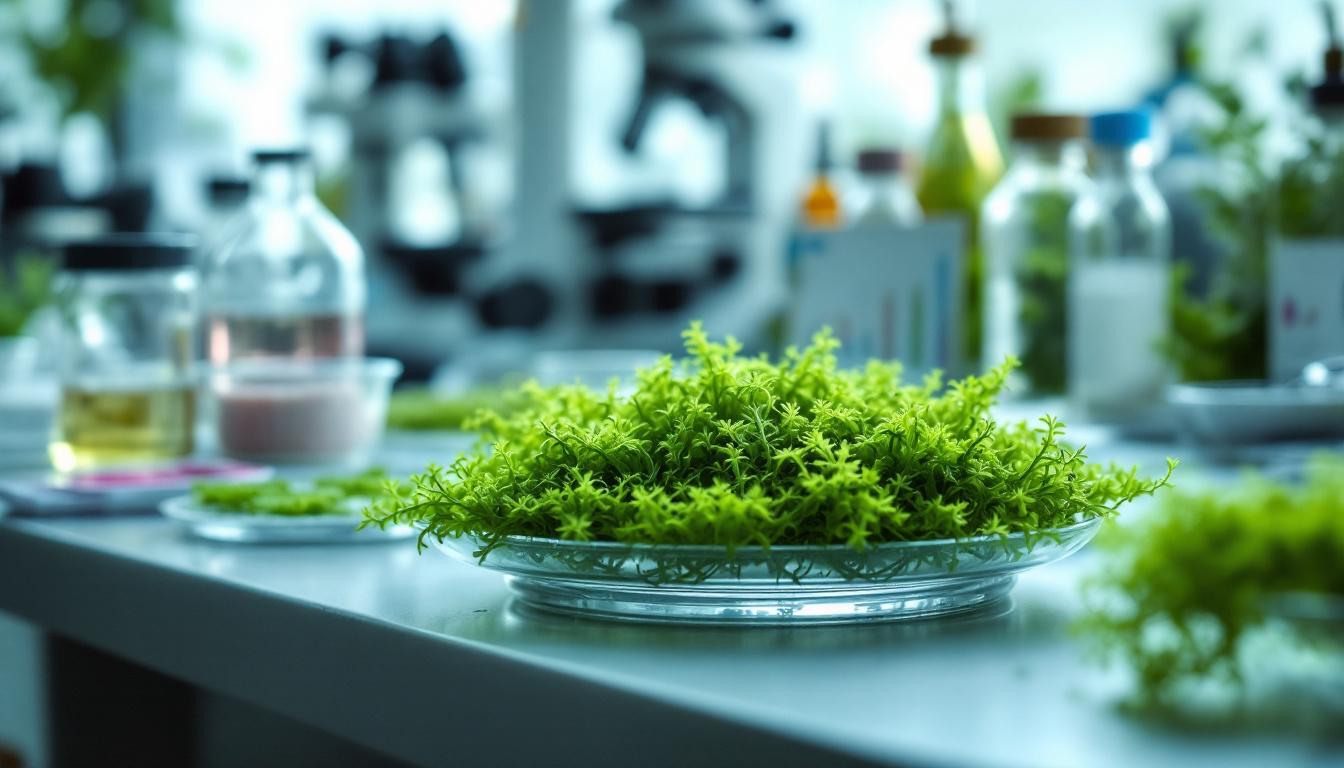
Sea moss, a type of red algae, has gained popularity in recent years for its potential health benefits. Among these, its role in supporting fertility has sparked interest. But what does the science say? Let’s dive into the nutritional profile of sea moss and explore its possible effects on fertility.
Nutritional Benefits of Sea Moss
Sea moss is packed with essential nutrients that could play a role in reproductive health. It contains a variety of vitamins and minerals, including folate, zinc, and iodine, all of which are crucial for fertility.

Folate: A Key Player in Reproductive Health
Folate is vital for women who are planning to conceive. A 100-gram serving of sea moss provides approximately 182 micrograms of folate, which is nearly half the daily recommended intake for women. This nutrient is essential for DNA synthesis and cell division, making it particularly important during the early stages of pregnancy.
Zinc: Supporting Male Fertility
For men, zinc is a critical mineral that contributes to sperm quality and overall reproductive health. Each 100-gram serving of sea moss contains about 1.95 milligrams of zinc. This mineral is known to support testosterone levels and improve sperm production, which could enhance male fertility.
Iodine: Essential for Thyroid Function
Iodine is another important nutrient found in sea moss. It plays a significant role in thyroid function, which is crucial for hormonal balance and reproductive health. A deficiency in iodine can lead to thyroid dysfunction, potentially impacting fertility. Sea moss serves as a natural source of iodine, making it a beneficial addition to the diet for those concerned about their thyroid health.
Scientific Insights on Sea Moss and Fertility
While the nutritional content of sea moss is promising, it’s essential to look at the scientific evidence regarding its direct impact on fertility.
Expert Opinions
Although sea moss contains nutrients that are beneficial for fertility, there is currently no scientific research specifically linking sea moss consumption to improved fertility outcomes. This highlights the need for further studies to establish a direct connection.
Research on Red Seaweed and Male Fertility
A study published in the Saudi Journal of Biological Sciences examined the effects of Chondrus crispus, a type of red seaweed, on male fertility. The findings suggested that it enhanced testicular function in male albino rats, indicating potential fertility benefits. However, more research is needed to determine if these effects translate to humans.
Additional Health Benefits of Sea Moss
Beyond its potential role in fertility, sea moss offers several other health benefits that contribute to overall well-being.
Immune Support
Sea moss is rich in vitamins A and C, along with antioxidants that may bolster immune function. A strong immune system is essential for overall health, which can indirectly support reproductive health.
Gut Health
Sea moss acts as a prebiotic, promoting the growth of beneficial gut bacteria. A healthy gut microbiome is linked to improved digestion and nutrient absorption, which can be beneficial for those trying to conceive.
Thyroid Health
As mentioned earlier, the iodine content in sea moss supports thyroid function. A well-functioning thyroid is crucial for maintaining hormonal balance, which is vital for reproductive health.
How to Incorporate Sea Moss into Your Diet
If you’re interested in adding sea moss to your diet, there are several ways to do so. Here are some practical tips:
Sea Moss Gel
One of the most popular ways to consume sea moss is in gel form. You can make sea moss gel by soaking dried sea moss in water, then blending it with fresh water until smooth. This gel can be added to smoothies, soups, or even used as a thickening agent in recipes.
Powdered Sea Moss
Another option is powdered sea moss, which can be easily mixed into beverages or sprinkled on food. This form is convenient and versatile, making it easy to incorporate into your daily routine.
Sea Moss Supplements
For those who prefer a more straightforward approach, sea moss supplements are available in capsule or tablet form. However, it’s essential to choose high-quality products from reputable sources to ensure safety and efficacy.
Final Thoughts
While sea moss is rich in nutrients that are beneficial for fertility, the direct evidence linking its consumption to improved fertility outcomes is still lacking. It’s a nutritious addition to a balanced diet, but it should not be viewed as a miracle solution for fertility issues. Always consult with a healthcare professional before making significant changes to your diet, especially when trying to conceive.
In summary, sea moss offers a variety of health benefits that could support reproductive health, but more research is needed to fully understand its impact on fertility. As with any dietary change, moderation and balance are key.


