
In the quest for optimal health, bolstering your immune system is a priority that cannot be overstated. While a balanced diet and regular exercise form the foundation of a robust immune response, supplements can offer additional support. But which ones should you consider? Let's delve into the world of immune-boosting supplements and uncover the key players that can help fortify your body's defenses.
Understanding the Immune System
The immune system is a complex network of cells, tissues, and organs that work together to defend the body against harmful invaders. It's a sophisticated system that requires a variety of nutrients to function optimally. Supplements can play a crucial role in filling nutritional gaps and enhancing immune function. The immune system can be broadly categorized into two main components: the innate immune system, which provides immediate defense against infection, and the adaptive immune system, which develops a targeted response to specific pathogens. This intricate interplay between the two systems highlights the importance of maintaining a well-rounded nutritional profile to support both immediate and long-term immune responses.
The Role of Vitamins
Vitamins are essential for maintaining a healthy immune system. They act as antioxidants, support cellular function, and help regulate immune responses. Among the myriad of vitamins, some stand out for their immune-boosting properties. For instance, vitamin A is crucial for maintaining the integrity of mucosal surfaces, such as those found in the respiratory and gastrointestinal tracts, which serve as barriers to pathogens. Additionally, vitamin E plays a significant role in enhancing immune function by protecting cell membranes from oxidative damage, thereby ensuring that immune cells can operate effectively.
Vitamin C is perhaps the most well-known immune-supporting vitamin. It contributes to immune defense by supporting various cellular functions of both the innate and adaptive immune systems. Regular intake of vitamin C can reduce the duration of colds and improve the body's ability to fend off infections. Furthermore, vitamin C is involved in the production of collagen, which is essential for the health of skin and connective tissues, providing a physical barrier against pathogens.
Vitamin D and Immune Health
Vitamin D is another critical nutrient for immune health. It modulates the immune response and has been shown to reduce the risk of respiratory infections. Many people have insufficient levels of vitamin D, especially during the winter months, making supplementation a wise choice. The body produces vitamin D when exposed to sunlight, but factors such as geographic location, skin pigmentation, and lifestyle can affect this natural synthesis. Therefore, dietary sources and supplements become essential for maintaining adequate levels.
Research suggests that vitamin D can enhance the pathogen-fighting effects of monocytes and macrophages—white blood cells that are important parts of your immune defense—and decreases inflammation. Moreover, vitamin D receptors are present on various immune cells, indicating its direct role in immune modulation. Some studies have even suggested a correlation between low vitamin D levels and increased susceptibility to infections, underscoring the importance of monitoring and managing vitamin D status, particularly in populations at risk of deficiency.
Minerals That Support Immunity
Minerals are also vital for a healthy immune system. They play a role in the development and function of immune cells. Ensuring adequate intake of key minerals can help maintain immune resilience. For example, magnesium is involved in over 300 biochemical reactions in the body, including those that regulate immune function. It helps to modulate the immune response and has been shown to have anti-inflammatory effects, which can be beneficial in preventing chronic diseases that compromise immune health.
Zinc's Impact on Immunity
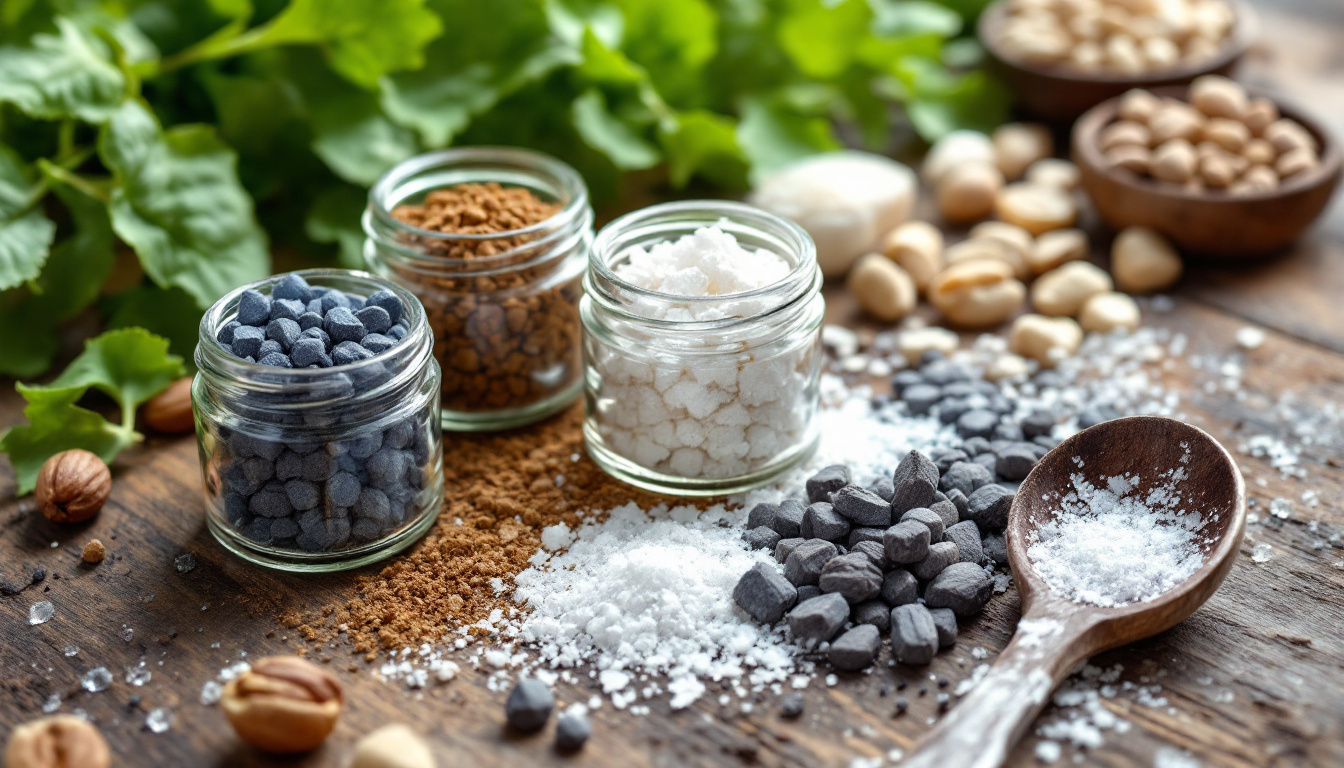
Zinc is a mineral that is crucial for immune function. It helps develop and activate T-lymphocytes, a type of white blood cell that fights infection. Zinc deficiency can lead to a weakened immune response, making supplementation beneficial, especially during cold and flu season. The recommended dietary allowance (RDA) for zinc varies by age and gender, and it is important to ensure that you are meeting these requirements through diet or supplementation.
Studies have shown that zinc supplements can reduce the duration of the common cold and improve immune response in older adults. Additionally, zinc plays a role in the production of antibodies, which are essential for identifying and neutralizing pathogens. Foods rich in zinc include meat, shellfish, legumes, seeds, nuts, dairy, and whole grains. However, individuals following a vegetarian or vegan diet may need to pay special attention to their zinc intake, as plant-based sources of zinc are often less bioavailable than animal sources.
Selenium's Role in Immune Support
Selenium is another mineral that supports the immune system. It acts as an antioxidant, helping to lower oxidative stress in the body, which reduces inflammation and enhances immunity. Adequate selenium intake is associated with improved immune function and a reduced risk of viral infections. The mineral is also involved in the production of selenoproteins, which play a critical role in antioxidant defense and immune regulation.
Research has indicated that selenium supplementation may enhance the immune response to vaccines and improve overall immune function, particularly in populations with low selenium status. Foods rich in selenium include Brazil nuts, seafood, and organ meats. However, it is important to note that excessive selenium intake can lead to toxicity, so it is crucial to adhere to recommended dosages when considering supplementation.
Herbal Supplements for Immune Enhancement
Herbs have been used for centuries to support health and wellness. Many herbs have immune-boosting properties and can be a valuable addition to your supplement regimen. The use of herbal supplements is often rooted in traditional medicine practices, and modern research continues to explore their efficacy and mechanisms of action. For instance, adaptogenic herbs like ashwagandha and rhodiola are known to help the body adapt to stress, which can indirectly support immune function by reducing the negative impact of chronic stress on the immune system.
Echinacea and Immune Function
Echinacea is a popular herb known for its immune-enhancing effects. It is believed to increase the number of white blood cells, which fight infections. Echinacea supplements are often used to prevent and treat colds and other respiratory infections. Research indicates that echinacea can reduce the risk of developing colds by more than 50% and shorten the duration of a cold by one to two days. The herb is thought to work by stimulating the immune system and enhancing the activity of immune cells, making it a go-to option for many seeking natural immune support.
In addition to its immune-boosting properties, echinacea has been studied for its potential anti-inflammatory effects, which can further support overall health. It is available in various forms, including capsules, tinctures, and teas, allowing individuals to choose the method of consumption that best suits their preferences. However, it is important to consult with a healthcare professional before starting any new herbal regimen, especially for those with allergies or pre-existing health conditions.
Garlic's Immune Benefits
Garlic is another herb with potent immune-boosting properties. It contains compounds that help the immune system fight germs. Garlic supplements can enhance the function of the immune system by stimulating certain cells, such as macrophages and lymphocytes. The active compound in garlic, allicin, is responsible for many of its health benefits, including its antimicrobial and anti-inflammatory properties.
Regular consumption of garlic supplements has been linked to a reduced risk of catching colds and flu, as well as a quicker recovery time when ill. Additionally, garlic may help lower blood pressure and improve cardiovascular health, making it a beneficial addition to a holistic approach to wellness. Incorporating garlic into your diet can be as simple as adding fresh garlic to meals or taking garlic extract supplements, but it is essential to consider potential interactions with medications, particularly blood thinners.
Probiotics and Gut Health
The gut is home to a large portion of the immune system. Probiotics, which are beneficial bacteria, play a crucial role in maintaining gut health and supporting immune function. The gut microbiome is a complex ecosystem that influences not only digestive health but also immune responses. A balanced microbiome can enhance the body's ability to fend off infections and reduce the risk of autoimmune diseases.
The Connection Between Gut Health and Immunity
A healthy gut microbiome is essential for a strong immune system. Probiotics help balance the gut flora, which in turn supports the immune system. They can enhance the production of natural antibodies and boost immune cells like T lymphocytes and natural killer cells. Furthermore, probiotics have been shown to modulate the gut-associated lymphoid tissue (GALT), which plays a critical role in the immune response. This connection between gut health and immunity highlights the importance of maintaining a diverse and balanced diet rich in fiber, which serves as food for beneficial gut bacteria.
Supplementing with probiotics can improve gut health, reduce inflammation, and enhance the body's immune response to infections. Various strains of probiotics have been studied for their specific benefits, and it is essential to choose a supplement that contains clinically validated strains for immune support. Additionally, fermented foods such as yogurt, kefir, sauerkraut, and kimchi are excellent sources of probiotics and can be easily incorporated into your diet.
Choosing the Right Probiotic Supplement
When selecting a probiotic supplement, it's important to choose one with a variety of strains and a high CFU (colony-forming units) count. Look for supplements that contain strains such as Lactobacillus and Bifidobacterium, which are known for their immune-supporting properties. Additionally, consider the delivery method of the probiotic, as some strains may be more effective when delivered in specific forms, such as capsules or powders. It is also advisable to check for third-party testing to ensure the quality and potency of the probiotic supplement.
Incorporating probiotics into your daily routine can be a simple yet effective way to support your immune health. It is also beneficial to combine probiotic supplementation with prebiotics, which are non-digestible fibers that feed beneficial gut bacteria. Foods rich in prebiotics include garlic, onions, bananas, and asparagus. This synergistic approach can help create a thriving gut environment that supports overall health and immune function.
Additional Immune-Boosting Nutrients
In addition to the vitamins, minerals, and herbs discussed, several other nutrients can play a significant role in supporting immune health. Omega-3 fatty acids, found in fatty fish, flaxseeds, and walnuts, are known for their anti-inflammatory properties and can help modulate immune responses. They have been shown to enhance the function of immune cells and may reduce the risk of chronic diseases associated with inflammation.
Omega-3 Fatty Acids and Immune Function
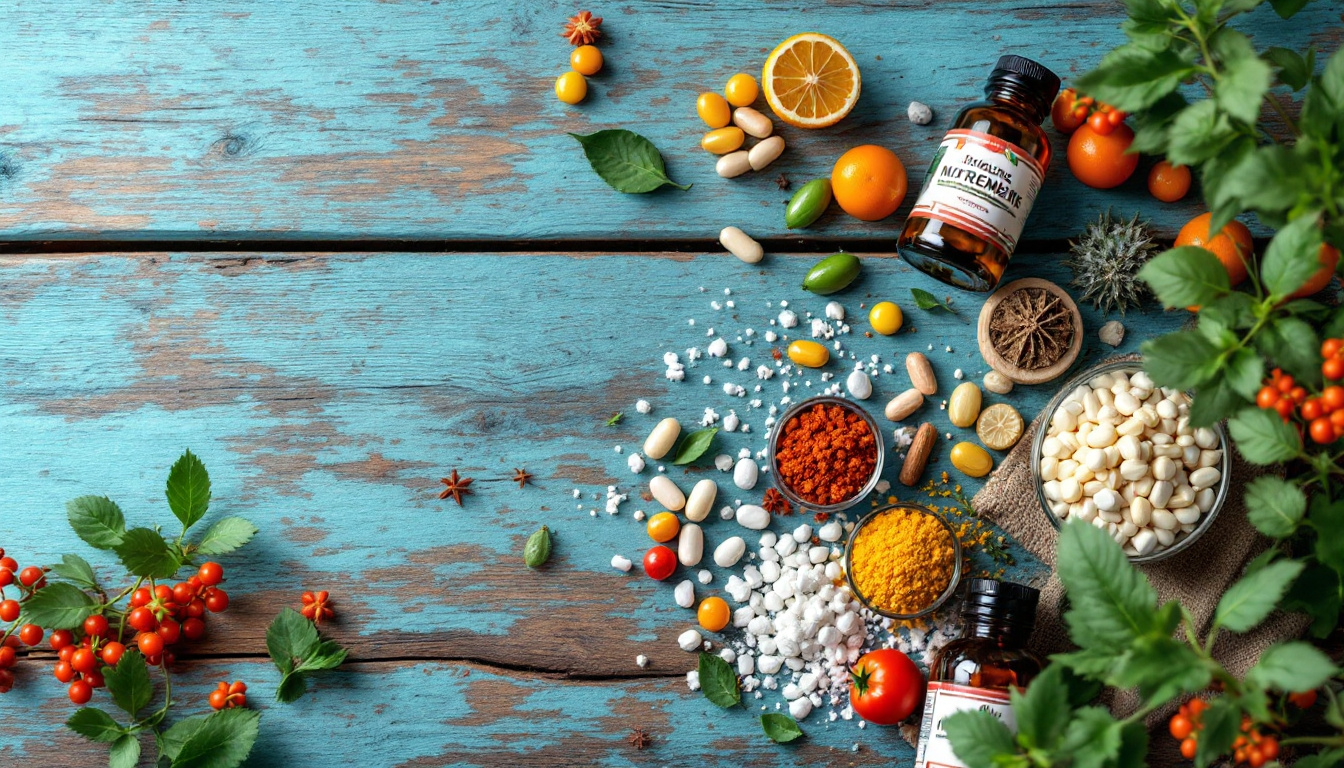
Omega-3 fatty acids are essential fats that the body cannot produce on its own, making it crucial to obtain them through diet or supplementation. These fatty acids are known to support heart health, brain function, and immune health. Research has indicated that omega-3s can help reduce the production of pro-inflammatory cytokines, which are signaling molecules that can lead to chronic inflammation and immune dysfunction. By incorporating omega-3-rich foods or supplements into your diet, you can help support a balanced immune response and overall health.
Curcumin and Its Anti-Inflammatory Properties
Curcumin, the active compound found in turmeric, is another powerful nutrient with immune-boosting properties. It has been extensively studied for its anti-inflammatory and antioxidant effects. Curcumin can help modulate the immune response by inhibiting the activity of inflammatory cytokines and promoting the activity of immune cells. Incorporating turmeric into your diet or taking curcumin supplements can provide additional support for your immune system, particularly during times of increased stress or illness.
The Key to Building a Strong Immune System
While supplements can provide valuable support for the immune system, they should not replace a healthy lifestyle. A balanced diet, regular exercise, adequate sleep, and stress management are all crucial components of a strong immune system. However, when used wisely, supplements can offer an additional layer of protection and help you maintain optimal health. It is essential to approach supplementation with a holistic mindset, considering how various nutrients work together to support immune function.
Consult with a healthcare professional before starting any new supplement regimen, especially if you have underlying health conditions or are taking medications. With the right approach, you can enhance your immune system and enjoy better health and well-being. Remember that the journey to optimal health is a multifaceted one, and by prioritizing nutrition, lifestyle choices, and informed supplementation, you can empower your body to thrive.


