
Someone stirs a scoop of mushroom powder into coffee and swears they can finally focus through the afternoon. Another swaps their usual snack for a bar spiked with “lion’s mane” and “reishi.” These aren’t fringe habits anymore. Sales of food and beverages with functional mushrooms in the U.S. are up over 450% since 2021, according to NielsenIQ data shared by Axios, and people are reaching for them largely in the name of brain health.
Dietitians notice the shift. “Mushrooms have such a health halo,” says Chicago-based registered dietitian Janet Helm, highlighting how consumers now see them as more than something to sauté with dinner, in that same Axios report. Brain benefits sit right at the center of that halo: sharper focus, steadier mood, clearer thinking with age.
Not every mushroom will sharpen your mind overnight, and not every claim on a shiny supplement jar holds up. Still, a growing cluster of culinary, “functional,” and psychedelic mushrooms is being researched for how they might support the brain over time. Understanding what each group actually does helps you choose what belongs on your plate, in your mug, or-if appropriate and legal-under medical supervision in a clinic instead of at home.
Why Mushrooms Matter for Brain Health
The functional mushroom category has exploded in recent years, with a global market valued at USD 26.95 billion in 2022 and projected to reach USD 40.67 billion by 2028 at a compound annual growth rate of 7.17%, according to a global functional mushroom market report. That kind of growth signals more than a passing fad; it reflects how strongly people associate mushrooms with immune support, stress resilience, and especially cognitive performance.
Part of that reputation comes from the nutrients and compounds naturally concentrated in many mushrooms. Janet Helm notes that mushrooms are a good source of the antioxidant ergothioneine, a unique compound that may help buffer cells against oxidative stress, as highlighted in the same Axios coverage. Antioxidants and anti-inflammatory compounds are vital for long-term brain health because the brain is particularly sensitive to damage from free radicals and chronic low-grade inflammation.
Beyond basic nutrition, certain mushrooms contain bioactive molecules that appear to influence nerve growth factors, blood flow, or stress-related pathways. Early lab and animal research suggests some of these compounds could encourage the brain to form or protect connections, which in theory might support memory or focus over time. While human research is still catching up, these mechanisms are why some mushrooms show up in nootropic blends and brain-support supplements, not just in the produce aisle.
Top Functional Mushrooms for Cognitive Support
A handful of mushrooms stand out when people talk about focus, memory, and mental stamina. These are the ones most likely to appear in “brain coffee,” capsule stacks, or concentrated powders. They don’t replace sleep, movement, or a nutrient-dense diet, but they can potentially layer in extra support for the nervous system.
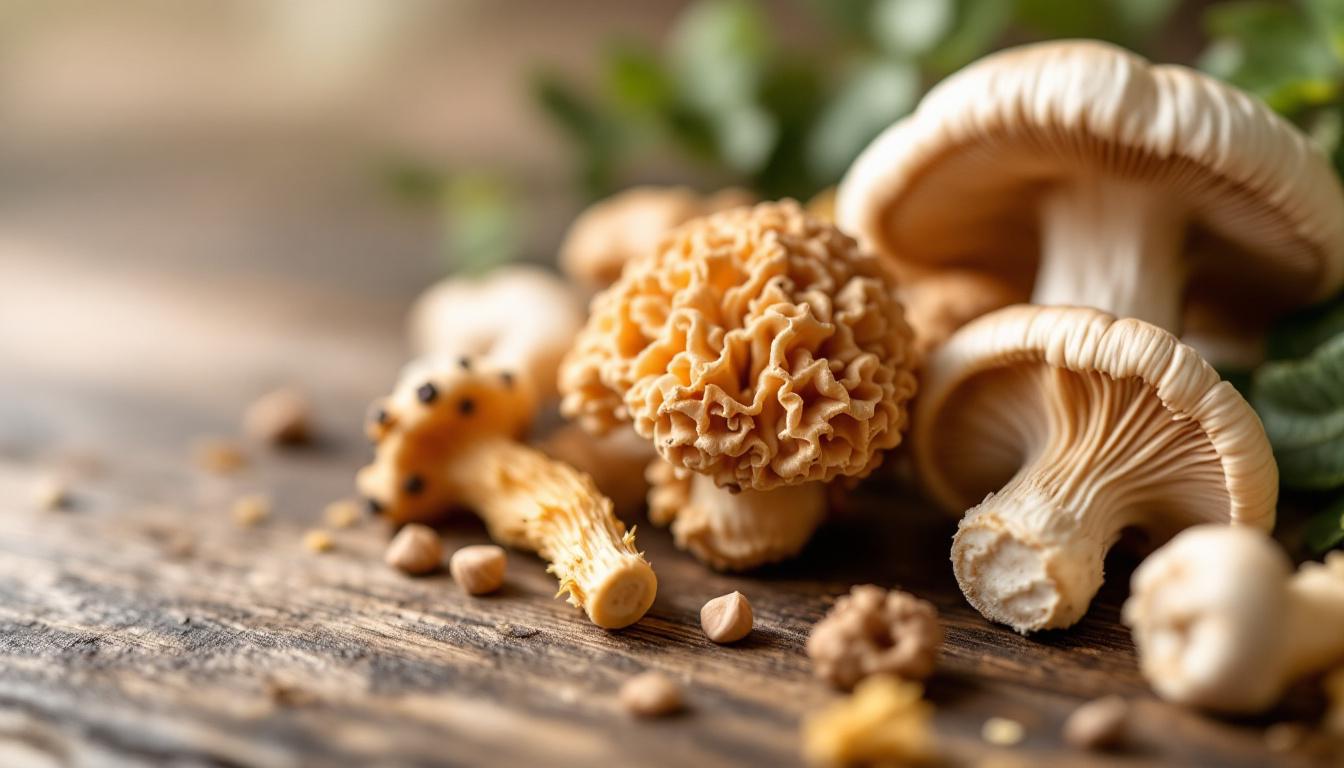
Lion’s Mane: The Neuro-Nourisher
Lion’s mane (Hericium erinaceus) is the mushroom most often associated with brain health. Extracts from its fruiting body and mycelium contain compounds that appear to stimulate nerve growth factor in cell and animal models. In practical terms, that suggests lion’s mane could help the brain maintain or repair nerve connections, which is why people reach for it when they care about memory, learning, or concentration.
Human research is still limited and usually small, but some early trials have hinted that lion’s mane supplementation might help with mild cognitive complaints and support mood. Many people describe its effect as subtle-more like turning down mental “static” than flipping a switch. Because it tends to be non-sedating, some use it in the morning instead of more stimulating herbs.
Reishi: Calm Support for a Busy Brain
Reishi (Ganoderma lucidum) is traditionally known as a “spirit” or “calming” mushroom. Its modern reputation focuses more on stress resilience, sleep quality, and immune balance than raw productivity. That still matters for brain health: chronic stress hormones and poor sleep are major enemies of memory and emotional regulation.
People often take reishi in the evening as a tea or tincture, describing it as gently grounding. By helping the body settle and adapt to stressors, it may indirectly protect the brain from the wear and tear of being constantly “on.” Some blends pair reishi with lion’s mane to cover both relaxation and cognitive clarity.
Cordyceps: Energy and Oxygen Delivery
Cordyceps has a long history in traditional medicine systems as a tonic for stamina and vitality. Modern users often look to it for physical endurance and smooth, non-jittery energy. From a brain perspective, anything that supports healthy circulation and oxygen use can also support mental alertness.
People who feel mentally flat but wired often prefer cordyceps over more stimulating options, since it tends to support energy without the same crash associated with heavy caffeine intake. It shows up frequently in pre-workout stacks and in morning coffee alternatives meant to sustain focus through demanding workdays.
Chaga and Culinary Mushrooms: Everyday Brain Insurance
Chaga and common culinary mushrooms such as shiitake, oyster, and cremini don’t always get the same nootropic hype, yet they contribute meaningful nutrients and antioxidant support. Their beta-glucans and other polysaccharides support immune function, which ties back to brain health through the immune–brain connection. When the body is in a more balanced, less inflamed state, the brain typically functions more smoothly.
Folding a variety of mushrooms into regular meals-soups, stir-fries, roasted dishes-creates a steady baseline of supportive compounds. Then, if desired, more targeted options like lion’s mane or reishi can be layered on top for specific goals such as sharper focus or easier sleep.
How to Use Mushrooms Safely for Better Brain Health
With so much buzz around mushrooms and cognition, it is easy to assume more is always better. A safer and more sustainable approach is to treat mushrooms as part of a broader brain-supportive lifestyle, not as miracle fixes. Start with food, then, if appropriate, consider focused supplements, paying attention to quality and your own response.
Culinary mushrooms can anchor the strategy. Cooking with a mix of varieties brings in fiber, minerals, and antioxidant compounds that help buffer everyday stress on the brain. Soups, broths, sautés, and roasted trays of mixed mushrooms are simple ways to nudge intake upward. For many people, this alone provides a meaningful foundation, especially when paired with healthy fats, colorful vegetables, and regular movement.
When looking at lion’s mane, reishi, cordyceps, or chaga supplements, the most important questions are about identity and purity: Which species, which plant part (fruiting body or mycelium), what extraction method, and what testing is done for contaminants such as heavy metals? Reputable companies usually provide third-party testing and clear labeling. Because different bodies react in different ways, starting with a modest serving and watching for changes in sleep, digestion, or mood is wise, then adjusting with guidance from a healthcare professional.
Putting It All Together for a Brain-Friendly Mushroom Routine
Functional mushrooms have moved from niche health stores into mainstream coffees, snacks, and pantry staples, and that momentum is unlikely to slow down. One industry analysis estimates the global functional mushroom market will grow at a compound annual rate of 10.8% from 2023 to 2030, with North America expected to post growth of more than 11.5%, according to a report from Contrive Datum Insights. That surge reflects how strongly people believe mushrooms can support immunity, mood, and cognition-though belief always needs to be balanced with careful reading of the science.
For everyday brain health, most people will get the biggest and safest return by focusing on these steps: eat a variety of culinary mushrooms regularly, consider lion’s mane or similar functional options if the goal is extra cognitive support, and lean on calmer mushrooms like reishi when stress and sleep feel frayed. All of that should sit on top of the fundamentals: consistent sleep, blood-sugar-friendly meals, movement, meaningful connection, and mental challenges that keep the brain learning.
Psychedelic mushrooms, on the other hand, belong in a different mental folder. They are being studied in clinical settings for depression and other mental health challenges, showing striking early results but also carrying real risks and strict legal constraints, as the Beckley Foundation work underscores. Until laws, guidelines, and long-term data are clearer, they are not tools for self-directed brain optimization. Used thoughtfully, though, everyday mushrooms-on your plate and, when appropriate, in supplement form-can become quiet allies in caring for the brain that runs the rest of life.


